 MindfulMenu
Emotional Eating Mechanisms
Published: January 2026 | Category: Eating Psychology
The Emotion-Eating Connection
Emotions significantly influence eating behaviour and food choices. Research shows that stress, anxiety, boredom, sadness, and other emotional states can trigger eating responses independent of physical hunger. Understanding this connection helps clarify a common aspect of eating behaviour.
Why Emotions Affect Eating
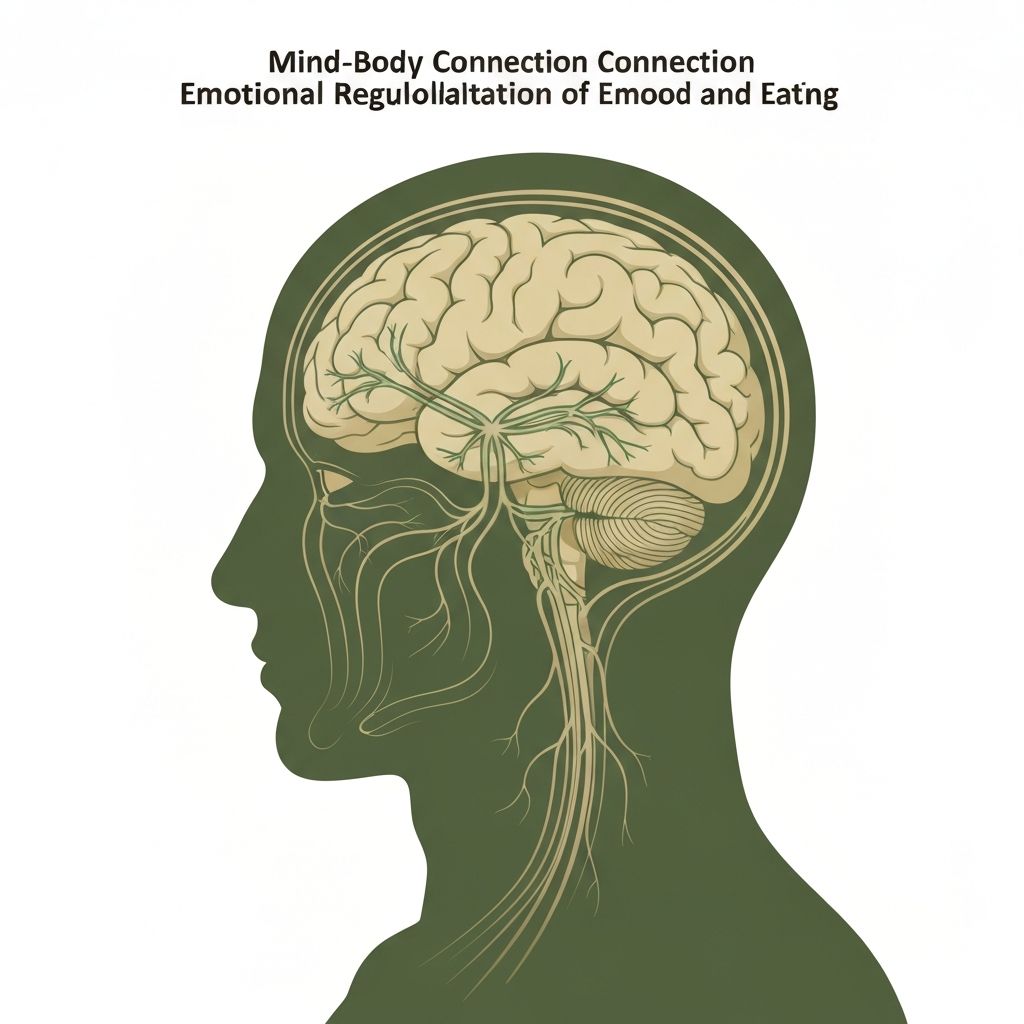
The brain regions involved in emotion and reward (particularly the limbic system and prefrontal cortex) are closely connected to systems that regulate appetite and food intake. When emotional activation occurs, these systems can override hunger satiety signals and increase the rewarding value of eating.
This is not a character flaw or weakness. It's a normal brain response rooted in how our nervous systems developed. Food is rewarding and pleasurable, making it a natural response when seeking comfort or distraction from negative emotions.
Stress and Cortisol
Chronic stress elevates cortisol, a hormone that increases appetite and cravings, particularly for calorie-dense, palatable foods. This is an evolutionary adaptation—in ancestral environments, stress signalled the need to consume calories for survival. In modern environments, this response can lead to increased eating even when food is not needed nutritionally.
Neural Pathways and Reward
Eating activates reward pathways in the brain, particularly those involving dopamine. Certain foods—especially those high in sugar, fat, or salt—trigger stronger reward responses. During emotional states, the brain may seek out this reward as a form of emotional regulation.
This is sometimes called "emotional eating," but it's more accurately described as using food for emotion regulation. The brain learns that eating reduces negative emotions, creating a reinforced pattern over time.
Individual Differences
Not everyone responds to emotions with increased eating. Some individuals show reduced appetite during stress or sadness. Others eat more. These differences reflect:
- Genetic Variation: Differences in neurotransmitter sensitivity and reward system function
- Learned Patterns: Childhood experiences and associations between food and emotional comfort
- Coping Style: Individual differences in how people naturally regulate emotions
- Environmental Factors: Food availability, cultural norms, and social influences
- Health Status: Medical conditions and medications affect appetite regulation
Triggers Beyond Hunger
Common emotional eating triggers include:
- Stress: Work pressure, relationship issues, financial concerns
- Boredom: Lack of stimulation or engagement
- Loneliness: Social isolation or disconnection
- Anxiety: Worry about future events or outcomes
- Sadness or Depression: Low mood seeking comfort through food
- Habit: Learned associations between situations and eating
The Complex Picture
Emotional eating is neither good nor bad—it's a normal aspect of human behaviour. Most people engage in it to some degree. The complexity arises because eating is influenced by multiple systems simultaneously: hunger, emotion, habit, environment, social context, and learned associations.
How emotions influence eating varies greatly between individuals and even within the same person across different times and contexts. Some days stress might increase eating; other days it might decrease appetite. Individual circumstances matter considerably.
Understanding vs. Judgment
Research on emotional eating emphasizes understanding the mechanisms rather than judging the behaviour. Recognising that emotions influence eating is informative. How individuals respond to this knowledge varies—some may choose to develop different coping strategies; others may not. All responses are valid and reflect personal circumstances.
Note: This article explains the neurobiology and psychology of emotional eating. For personal guidance on managing emotional eating or related concerns, consult qualified mental health professionals or healthcare providers.